Your Living Room Is the New Card Room: The Rise of Serious Play in Casual Spaces
A Felt Table in the Suburbs
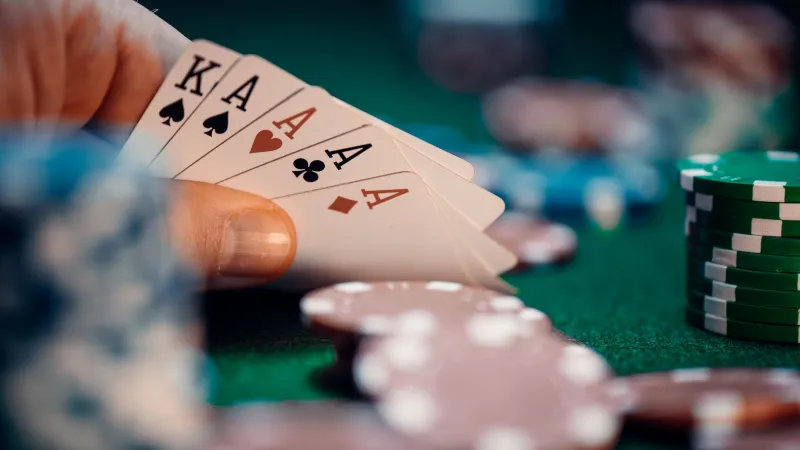
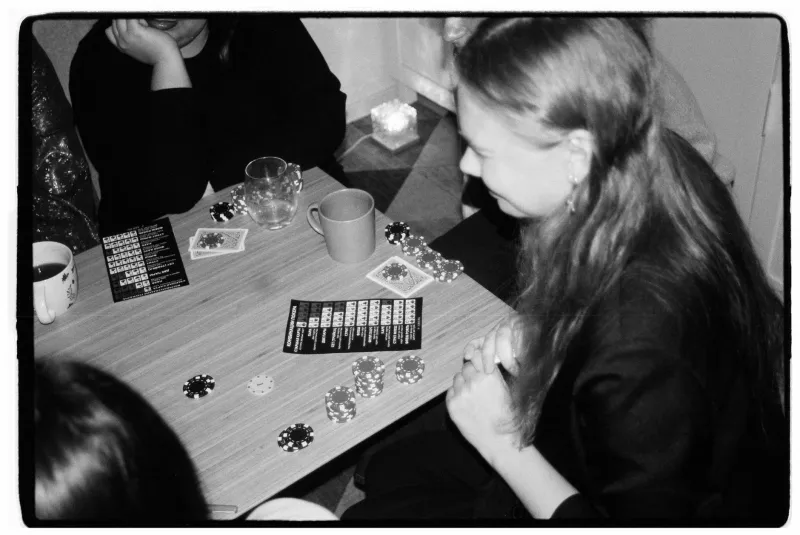
Somewhere in a finished basement in New Jersey right now, a group of eight people are sitting around a poker table that cost more than most used cars. There's a professional-grade shuffler, clay chips, and a dealer button. Two of the players are recreational — they're there for the social experience and the cheap beer. Two more are casually serious — they've read a book or two, watch training content occasionally, and take the game more seriously than they let on.
And then there are the other four.
Those four have logged thousands of hours. They track their sessions in spreadsheets. They discuss ranges in Discord servers at midnight. They are, by any practical definition, professional-level players — and they are absolutely cleaning up in a setting that most people think of as casual entertainment.
This is the home game effect, and it's playing out in kitchens, garages, and rec rooms all across the country.
How Legal Home Gaming Quietly Expanded
Over the past several years, a growing number of US states have clarified or loosened their statutes around private, social gaming. The general principle — that a game hosted for entertainment without the house taking a rake is legal — has existed for decades, but enforcement was inconsistent and the social stigma of "gambling" kept many players from organizing anything formal.
That's changed. The normalization of online gaming, the explosion of poker content on streaming platforms, and a broader cultural shift toward gaming as legitimate entertainment have all combined to make organized home games socially acceptable in a way they simply weren't twenty years ago.
In states like Texas — where casino gambling remains largely prohibited — the home game has become a genuine alternative ecosystem. High-stakes private games in Houston and Dallas reportedly attract players who wouldn't look out of place at a World Series of Poker final table.
The Experienced Player's Edge in a Casual Room
Here's the honest truth that anyone who plays seriously already knows: a skilled player in a casual home game has an edge that's almost unfair.
In a regulated casino or formal online environment, you're playing against a self-selected field that skews toward competence. The floor is higher. In a home game, you're often playing against people whose primary motivation is social — they want to have fun, tell stories, and maybe win a little. They're not studying ranges. They're not thinking about pot odds.
For an experienced player, this is an extraordinarily profitable environment. And with home games becoming larger, more frequent, and better organized, the opportunities are multiplying.
This isn't a criticism of recreational players — their participation is what makes the ecosystem work, and the social dimension of home gaming is genuinely valuable. But it does raise real questions about equity, transparency, and what responsible play looks like when the skill gap is that wide.
The Blurring of "Recreational" and "Professional"
One of the more interesting side effects of the home game boom is that it's made the categories themselves less meaningful. Is someone who earns $30,000 a year from home games a professional? They'd probably say no — they have a day job, they play for fun, the money is nice but it's not how they identify.
But by any objective measure, they're operating at a professional level of consistency and profitability.
This blurring matters because it affects how people approach the game, how they treat opponents, and how they think about things like game selection, ethics, and community responsibility. A player who doesn't think of themselves as a professional might not feel any obligation to play with the kind of transparency and integrity that professional contexts demand.
It also creates interesting dynamics in gaming communities. Players who are "serious" in home game settings don't always engage with the broader community infrastructure — the forums, the training content, the organized tournaments — that have traditionally defined competitive gaming culture.
What This Means for Game Integrity
Let's be direct about a concern that doesn't get discussed enough: the home game environment has almost no formal integrity infrastructure. There are no floor staff, no surveillance, no formal dispute resolution. The rules are whatever the host decides they are.
For the most part, this works fine. Most home games are run honestly by people who care about their reputation in the group. But the higher the stakes climb — and in some markets, they're climbing fast — the more these informal trust arrangements get tested.
Collusion is harder to detect. Chip dumping is possible. And because there's no formal record of anything, disputes that would be resolved cleanly in a casino context can fracture friendships and communities permanently.
For players entering higher-stakes home game environments, due diligence matters. Know the host. Know the other regulars. Understand the house rules before you sit down.
The Community Opportunity
Here's the other side of the coin: the home game boom is genuinely building gaming community in ways that formal venues sometimes struggle to replicate.
People who meet at a home game develop real relationships. They talk strategy, share resources, and bring each other into new games and communities. The social fabric of gaming is getting richer, not just bigger.
At TaixiuGo88, we see this as part of the same energy that drives competitive online communities — the desire to connect with people who share the passion, compete in a meaningful way, and grow together as players. Whether that happens around a felt table in someone's basement or in an online tournament with players across the country, the spirit is the same.
The Takeaway for Serious Players
If you're experienced and you haven't explored the home game scene in your area, you may be leaving genuine edge on the table. The environment rewards preparation and composure in ways that are immediately bankroll-positive.
If you're recreational and you're playing in games with skilled regulars, know what you're walking into. There's nothing wrong with paying to play — lots of people pay for entertainment — but go in with eyes open about the dynamics.
And if you're running a home game, take the integrity question seriously. The games that last, the ones that build real community, are the ones where everyone feels the environment is honest.
The living room has become a legitimate arena. Play it accordingly.